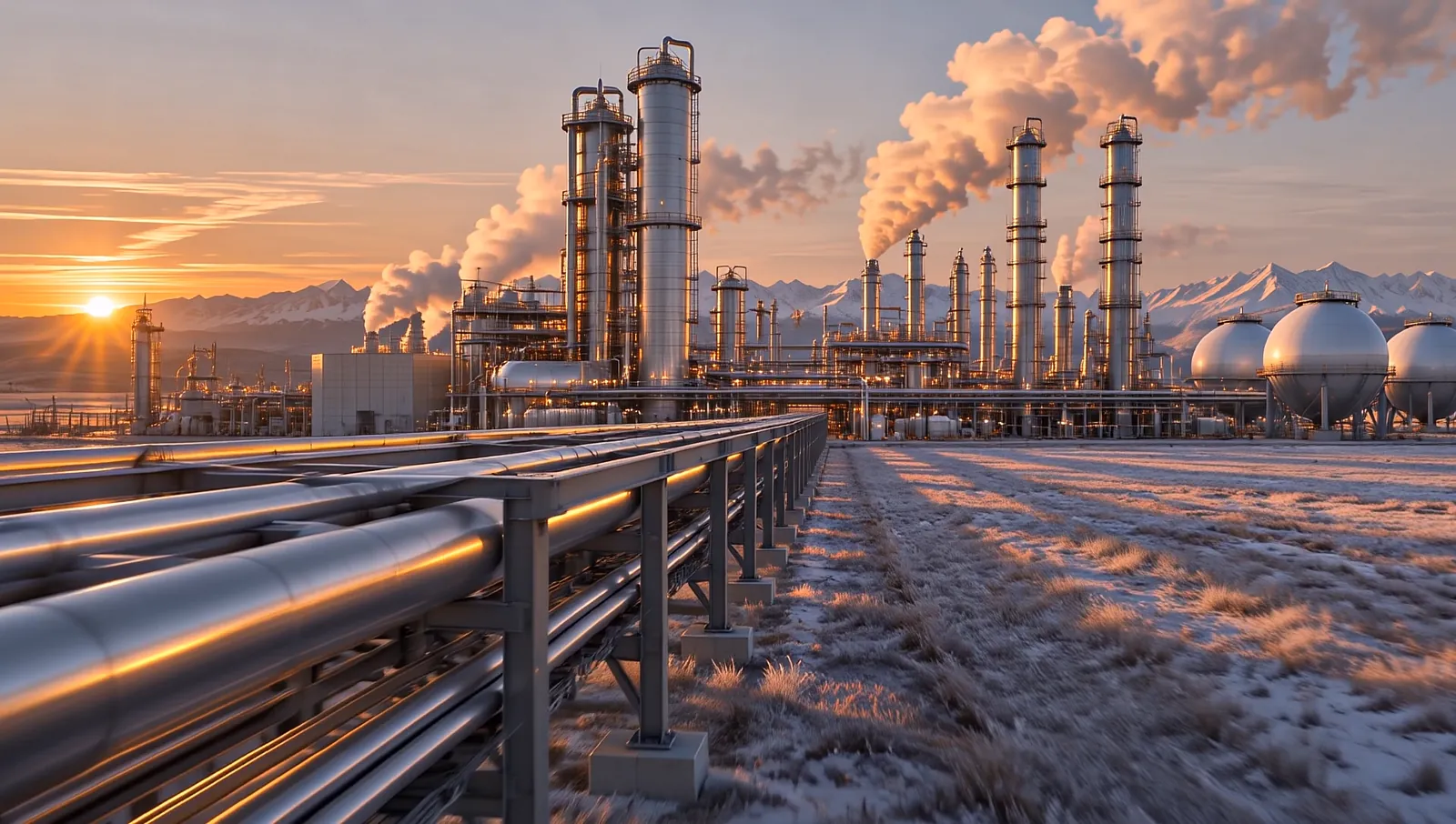
Clean hydrogen plant
Design sessions that cut more than $300M from a hydrogen plant's capital budget.
Natural gas in, hydrogen out
The plant takes in natural gas and sends out hydrogen, more than 300,000 tonnes of it a year. Hydrogen gives off only water when it burns, so it can cut emissions wherever it’s used, as long as the carbon that came in with the gas doesn’t end up in the air.
How blue hydrogen is made
Natural gas is mostly methane. In the reformer it reacts with steam at well over 800 °C and splits into hydrogen and carbon monoxide, then a second reaction with more steam turns the carbon monoxide into CO2 and more hydrogen. A plant without capture sends that CO2 up a stack.
Catching the carbon
This plant is designed to capture over 90% of the emissions it generates. The CO2 is separated out, compressed and piped deep underground into rock that holds it. Hydrogen made from natural gas with its carbon captured this way is called blue hydrogen.
Tightening the scope
A plant this size comes down to thousands of scope decisions, and each one carries cost. I led the design working sessions where the team found ways to tighten that scope and developed them into the design, which cut more than $300M from the capital budget. The drawing on the left only illustrates the idea of less to build for the same output, so it doesn’t show what changed or where.
Same hydrogen, $300M less
The design still produces more than 300,000 tonnes of clean hydrogen a year and still captures over 90% of the emissions it generates. It needs more than $300M less capital to build.
I worked on this as an engineering consultant in Alberta, leading the design working sessions on a blue hydrogen production project.